
BRAIN Lab – Research Techniques, Models, and Expertise
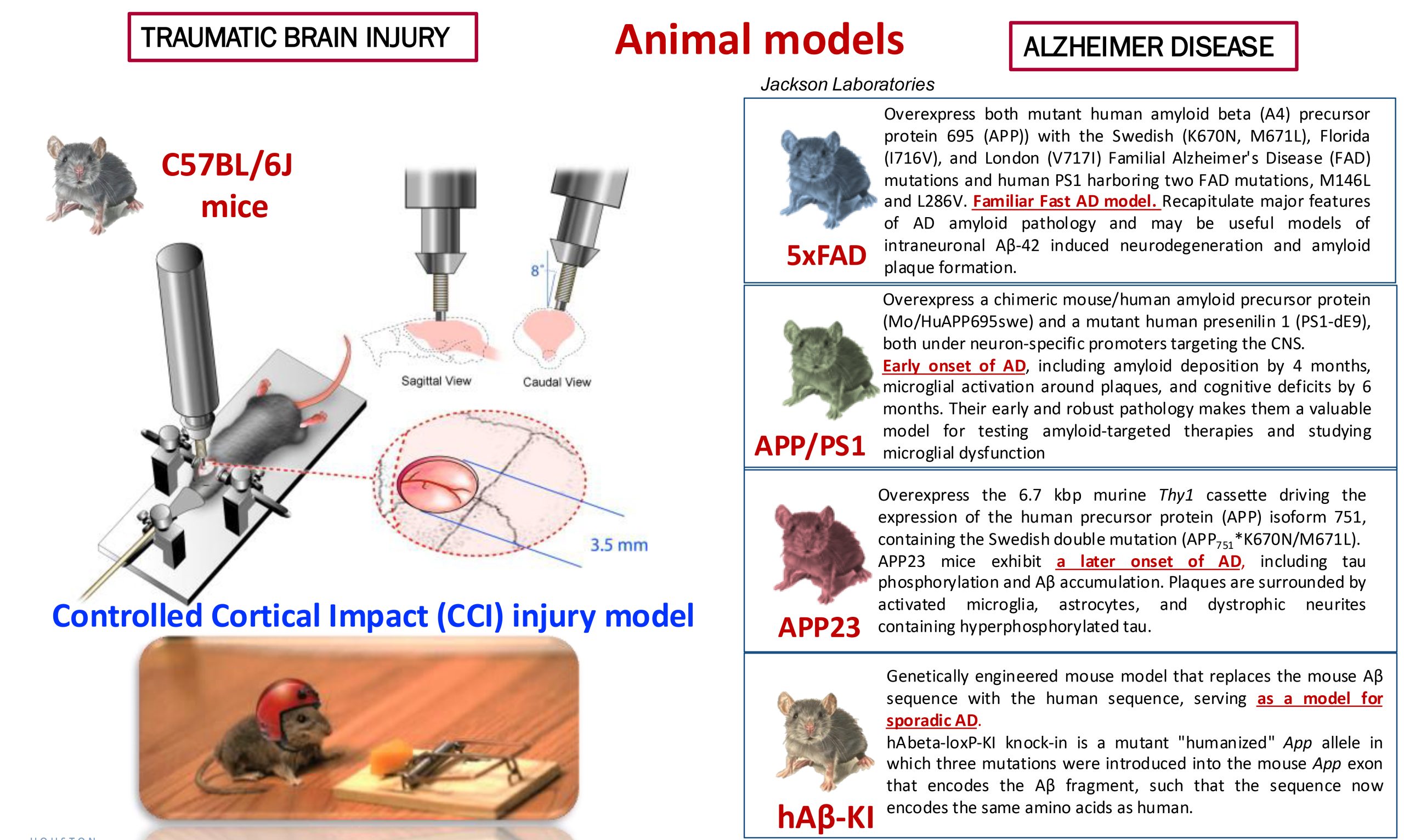
• Animal models: TBI (CCI, mild/repetitive TBI), Alzheimer’s disease transgenic models, and neuroinflammation.
• Cell culture: Primary microglia, macrophages, bone marrow-derived macrophages (BMDMs), and inflammatory stimulation models.
• Molecular biology: RT-qPCR, Western blot, ELISA, RNAscope, and gene-expression analysis.
• Immunology: Flow cytometry, immune-cell phenotyping, cytokine/chemokine profiling, and inflammatory signaling.
• Histology and imaging: Immunohistochemistry, immunofluorescence, confocal microscopy, tissue clearing, and quantitative image analysis.
• Microbiome: 16S rRNA sequencing, shotgun metagenomics, microbiome manipulation, and bioinformatics.
• Multi-omics: Transcriptomics, proteomics, metabolomics, lipidomics, and computational analysis.
• Neurovascular assessment: BBB permeability, tight-junction integrity, and immune-cell infiltration.
• Behavioral testing: Cognitive, motor, and neurological functional assessments.
• Therapeutic approaches: Lipid nanoparticles, CRISPR gene editing, mRNA delivery, siRNA, and anti-inflammatory therapies.
• Translational research: Human biospecimens, clinical cohorts, and inflammatory biomarker analysis.
Specialized multi-omics, advanced imaging, and nanoparticle engineering are accessible through institutional cores and established collaborators.
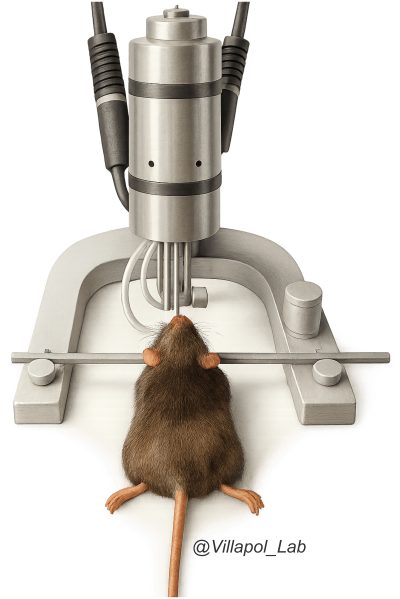
Controlled Cortical Impact injury (CCI)
Moderate CCI injury (coordinates; 2 mm lateral, 2 mm posterior to Bregma) at an impact depth of 1 mm, with a 2 mm diameter round impact tip (speed 3.6 m/s, dwell time 100 ms) and 12° angle to the dura mater, using an electromagnetically driven CCI injury device (Impact One stereotaxic impactor CCI, Leica) is performed.
The bone flap is replaced but not sealed; the skin is sutured, and the mice are allowed to recover from anaesthesia before being transferred to their cages fully.
Control or naïve mice are anaesthetized, allowed to recover, and returned to their cages.
Behavioral testing
• ANY-Maze Tracking Software, which allows automated scoring for most of the behavioral tests:
• Novel Object Recognition
• Tail Suspension Test/Forced Swim Test
• Barnes Maze
• Y-maze Spontaneous Alternation
• Elevated Plus Maze
• Marble Burying Test
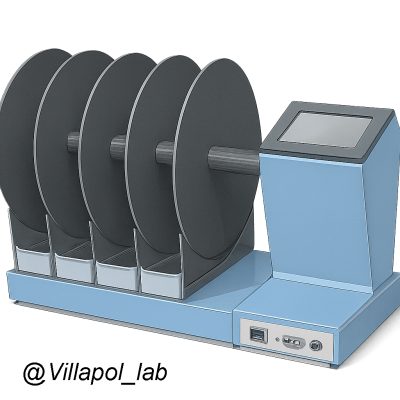
• Rotarod
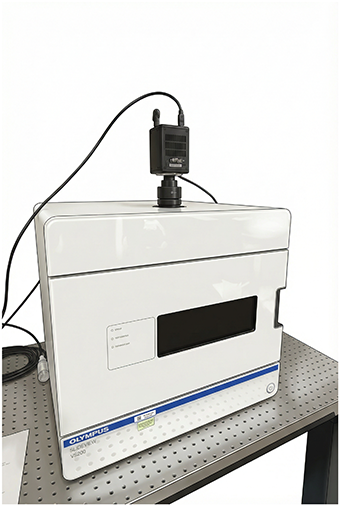
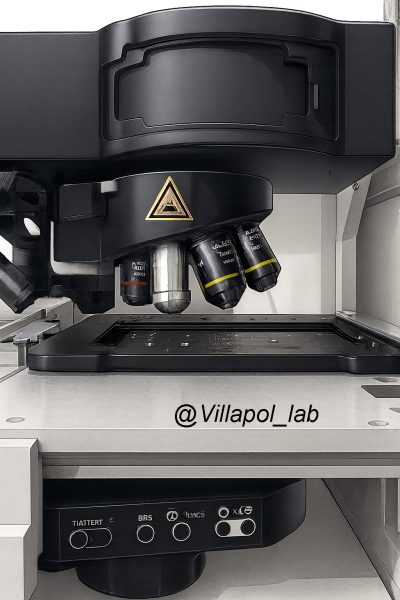
Olympus VS200 – Slide Scanner
Our laboratory is equipped with an Olympus VS200 high-throughput slide scanner, capable of performing brightfield and multiplex fluorescence whole-slide imaging at magnifications ranging from 2x to 100x. The system accommodates up to 210 slides per run, featuring automated autofocus and high-resolution acquisition, which enables the quantitative analysis of histological and molecular markers across large tissue sections. Integrated image management software supports downstream bioinformatic and AI-assisted analyses, ensuring efficient, reproducible, and collaborative data generation.
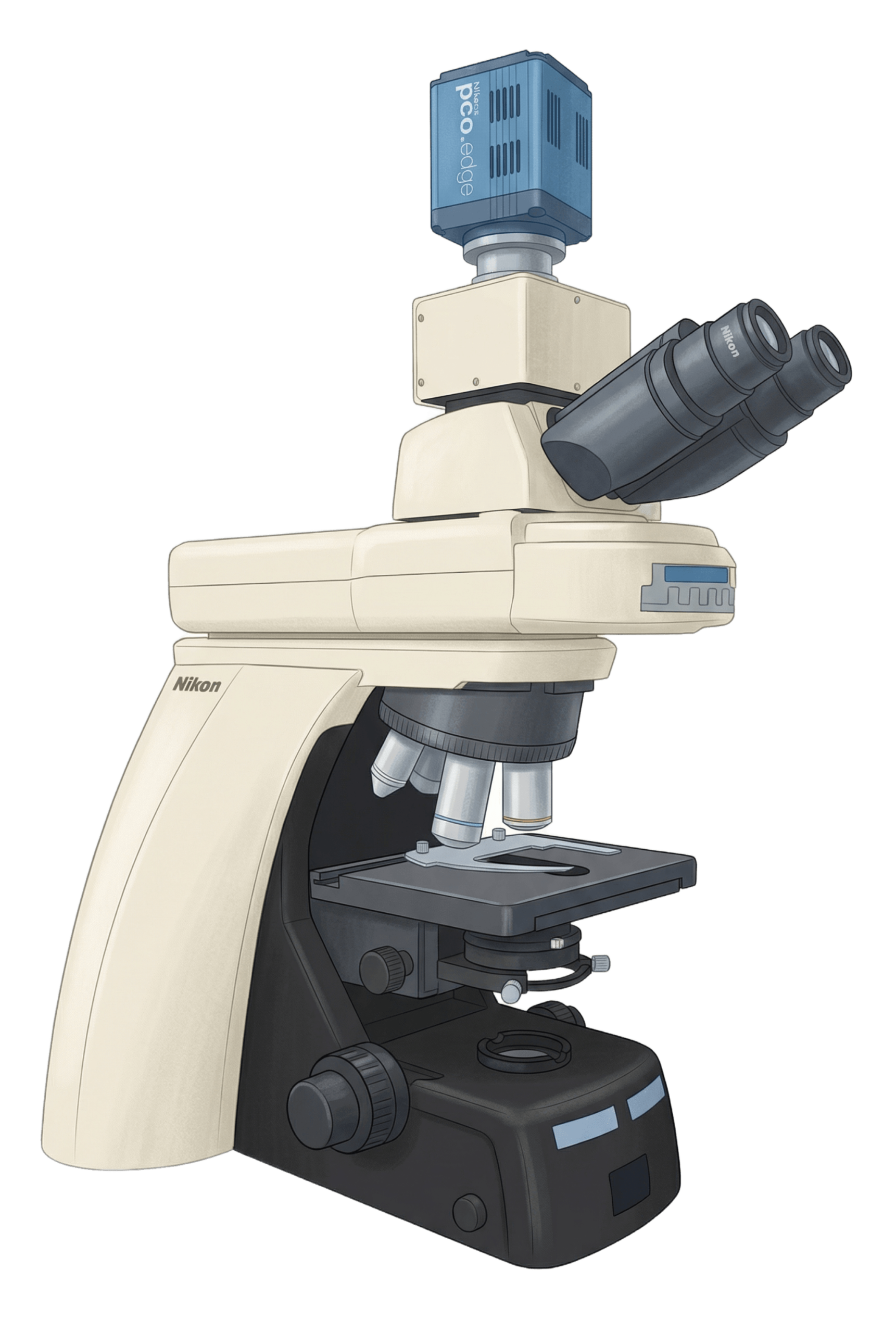
Nikon – Microscope
Our laboratory is equipped with a Nikon microscope
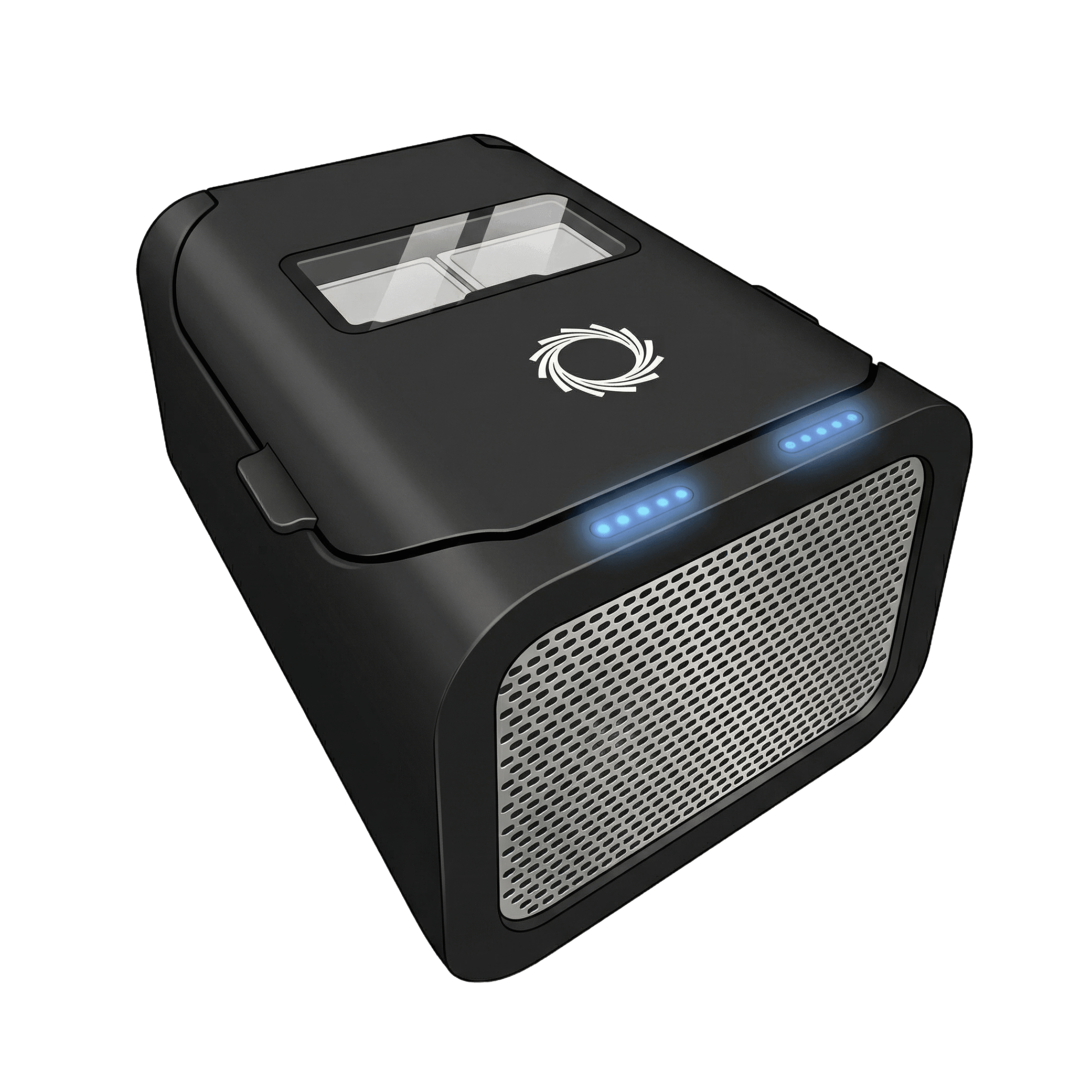
Oxford Nanopore Sequencing PromethION 2 Solo
The PromethION 2 Solo (P2 Solo) device is designed to run up to 2 PromethION Flow Cells in parallel.